Hyde Park corner estate rubbish removal routes and parking tips
If you are planning a clearance job near Hyde Park Corner, the hardest part is often not the lifting. It is the logistics. Narrow approaches, busy traffic, limited stopping space, and the usual London unpredictability can turn a simple rubbish removal into a frustrating afternoon. This guide to Hyde Park corner estate rubbish removal routes and parking tips is here to make the process calmer, faster, and far less stressful. Whether you are clearing a flat, moving office waste, or dealing with bulky furniture, the right route and parking plan can save time, reduce costs, and keep everyone safer.
In practice, a good plan means knowing where your vehicle can approach, where it can pause without causing a problem, what type of waste can go together, and how to avoid the classic "we'll just wing it" moment that never ends well. Truth be told, it's one of those jobs where a little preparation pays off hugely.
Expert takeaway: In central London, rubbish removal is rarely just a collection job. It is a short, well-timed logistics exercise. The best outcomes come from route planning, clear parking arrangements, and sorting waste before the van arrives.
Table of Contents
- Why Hyde Park corner estate rubbish removal routes and parking tips matters
- How the route and parking process works
- Key benefits and practical advantages
- Who this is for and when it makes sense
- Step-by-step guidance
- Expert tips for better results
- Common mistakes to avoid
- Tools, resources and recommendations
- Law, compliance, standards, or best practice
- Options, methods, or comparison table
- Case study or real-world example
- Practical checklist
- Conclusion
- Frequently Asked Questions
Why Hyde Park corner estate rubbish removal routes and parking tips Matters
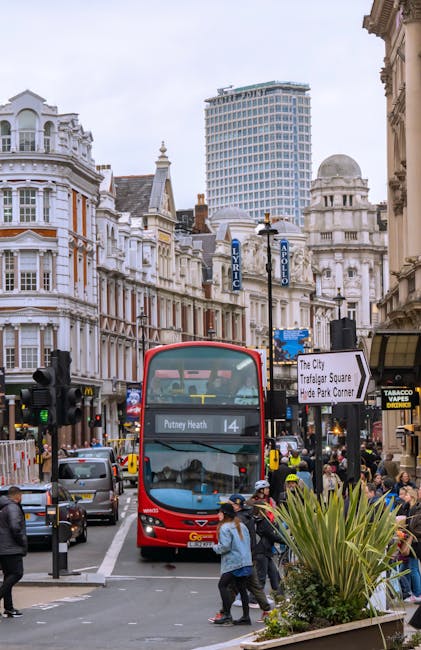
Hyde Park Corner sits in one of the busiest and most controlled parts of London, and that alone changes how rubbish removal has to be handled. The roads are often busy, access windows can be tight, and parking is rarely something you can treat casually. If a collection vehicle ends up circling for ten minutes, you are not just wasting time; you are also risking delays, added labour, and awkward interactions with traffic or neighbours.
For estates, mansion blocks, and mixed-use properties, the challenge gets even sharper. There may be service entrances, shared courtyards, basement access, or resident-only bays that need coordination. A skip in the wrong position can block movement. A van parked badly can upset residents, staff, or building managers. And if bulky items have to be carried further than expected, the whole job becomes slower and more tiring.
This is why route planning matters so much. A sensible approach to rubbish removal in the Hyde Park Corner area helps you:
- reduce loading time
- avoid parking disputes
- keep pedestrians safer
- protect building access routes
- minimise disruption to residents or customers
- make collections more predictable
There is also the simple reality that London streets do not always behave as expected. A road closure, delivery vehicle, or event traffic can change the day in a blink. You notice it most when you are already carrying a sofa down two flights of stairs. Not ideal, to be fair.
How Hyde Park corner estate rubbish removal routes and parking tips Works
At a practical level, the process is about matching the vehicle, the access route, and the waste type to the site conditions. For a small flat clearance, that may mean choosing the closest legal stopping point and using trolleys or hand carrying. For larger jobs, it may involve positioning a van as close as possible to a service entrance or coordinated loading area.
The route itself should be chosen with a few things in mind:
- clearance height if the vehicle enters a car park or service yard
- turning space for larger vehicles
- one-way streets or restricted turns
- loading bay timing restrictions
- pedestrian flow at busy times of day
- distance from the property to the vehicle
Parking tips matter just as much. In central London, a "quick stop" can become a liability if it blocks a dropped kerb, sits in a resident-only bay, or forces the crew to drag heavy waste across a long stretch of pavement. The goal is not just to park somewhere. It is to park somewhere that supports the job without causing avoidable problems.
That is why many customers pair route planning with a broader clearance service. If the job involves mixed household waste, old furniture, or office clutter, it can help to book a flexible service such as waste removal or more specific options like flat clearance and office clearance. When the waste type is clear in advance, the route and vehicle choice are usually easier to plan.
Key Benefits and Practical Advantages
Good route and parking planning is one of those behind-the-scenes things that makes the whole service feel smoother. You do not always see the benefit immediately, but you definitely feel it.
Faster collections
Less time spent searching for a space means more time spent actually clearing the waste. That matters even more where labour costs are based on vehicle time or crew time.
Less physical strain
The shorter the carry distance, the safer and more efficient the job. A van parked sensibly near the access point can reduce back-and-forth lifting and lower the risk of damage to walls, doors, and banisters.
Fewer neighbour complaints
Estate managers and residents tend to appreciate tidy, well-timed operations. Nobody enjoys a van blocking the entrance at the school run hour or during a delivery slot. Small things, but they add up.
Better handling of mixed waste
When the route, parking, and loading sequence are planned, different waste streams can be separated more cleanly. That supports better recycling outcomes too, especially where items need sorting before loading. If sustainability matters to you, take a look at recycling and sustainability.
More predictable pricing
Many waste jobs become more cost-efficient when there is less wasted time. A straightforward access plan helps reduce uncertainty. For readers comparing options, the pricing and quotes page is useful because it points you toward the kind of details that usually affect the final figure.
Who This Is For and When It Makes Sense
This topic is relevant for anyone who has to remove rubbish from a location where parking is awkward or access is controlled. That includes landlords, flat owners, facilities teams, estate managers, office managers, letting agents, and homeowners dealing with a one-off clear-out.
It makes particular sense if you are dealing with:
- bulky furniture from a flat or maisonette
- mixed household rubbish after a move
- office refresh waste, archive boxes, or broken furniture
- garage or loft clutter where loading might take longer than expected
- builder's waste from minor refurbishments
- large one-off jobs with several item types
If the job includes heavy or awkward items, route planning becomes even more important. Mattresses, appliances, and sofas are especially awkward in narrow corridors and stairwells, so many people choose dedicated services such as mattress and sofa disposal or fridge and appliance removal. If you are clearing out an entire property, a more complete option like house clearance or home clearance may be the better fit.
Step-by-Step Guidance
Here is a practical way to plan a rubbish removal near Hyde Park Corner without turning the day into a puzzle.
- Identify the exact pickup point. Is the waste coming from a front entrance, rear service yard, basement, loading bay, or upper floor? This affects vehicle access and carry distance.
- List the waste types. Separate general rubbish from furniture, appliances, hazardous material, and recyclable items. Mixing everything together can slow the job and sometimes create compliance issues.
- Check route constraints. Look for height restrictions, traffic filters, timed access rules, and any street works or local disruptions that might affect arrival.
- Think about parking early. Do not wait until the van is on the road. Decide whether a nearby legal bay, loading area, or private space is the best option.
- Tell the team about access details. If there is a keypad door, porter's desk, steep ramp, or awkward lift, mention it in advance. It sounds obvious, but this one saves a lot of head-scratching.
- Clear the path before collection time. Move fragile objects, open doors where needed, and keep hallways free. The crew should be able to move safely and quickly.
- Prioritise awkward items first. Heavy furniture, appliances, or bulky pieces should usually be loaded before loose bags. That makes the truck space more efficient.
- Confirm what will be taken. If in doubt, ask about restricted items before collection day. Hazardous waste, confidential material, and some electrical items may need special handling.
A useful rule of thumb: if you think the van will only need two minutes to park, allow more. Then allow a little more again. London has a lovely habit of humbling even the best-laid plans.
Expert Tips for Better Results
After enough collections, a few habits stand out. The jobs that go best are usually the ones where someone took fifteen minutes beforehand and saved the whole team half an hour later.
Use off-peak timing where possible
Early mornings can be kinder for access, especially around estates and busy roads. Midday often brings more deliveries, more pedestrians, and more competition for any stopping space. Evening work can help in some cases, but only if building access and local conditions make sense.
Photograph the waste and access points
This is very useful if you are booking remotely. A quick photo of the load, the doorway, the driveway, or the bay can stop misunderstandings. It also helps when the job includes items that need special handling, like electricals or a broken appliance.
Separate fragile and sharp material
Glass, broken wood, and metal edges can become a hazard fast. Bag or box them properly, and keep them apart from softer waste. It is not glamorous, but it avoids injuries and delays.
Book the right type of clearance
A one-size-fits-all approach is rarely ideal. A few chairs and some boxes may suit furniture clearance, while a full office move may fit business waste removal. Matching the service to the load usually makes the routing and vehicle planning more efficient.
Keep documents and confidential waste separate
If paperwork is involved, do not toss it in with general rubbish unless you are certain that is appropriate. For sensitive documents, confidential shredding is the sensible route.
Ask about insurance and safety practices
In shared buildings, you want peace of mind that the team is operating carefully. It is reasonable to ask how items will be moved and what precautions are taken around entrances, lifts, and communal areas. The page on insurance and safety is a helpful reference point for this sort of reassurance.
Common Mistakes to Avoid
Some errors are small in the moment and annoying later. Others can cause a job to run over quite badly.
- Assuming parking will be easy. It rarely is, especially near central London landmarks and estates.
- Not checking access height or turning room. A van that cannot safely enter a site is not much use, really.
- Leaving all waste unsorted. That slows loading and can complicate disposal of certain items.
- Forgetting about building rules. Some estates have strict loading times or resident-only access controls.
- Ignoring awkward items. Sofas, fridges, and mattresses often need a plan, not just muscle.
- Booking too little time. A clear-out with stairs, lifts, or limited parking always takes longer than a curbside pickup.
A slightly unglamorous point, but an important one: do not rely on "there should be space." There should be space is not a plan.
Tools, Resources and Recommendations
You do not need a complicated setup to organise rubbish removal well, but a few simple tools help a lot.
- A floorplan or site note. Even a rough sketch can clarify where the vehicle should stop and where the items will come from.
- Phone photos. Best for access routes, stairs, lift widths, and the actual waste pile.
- Basic labels or tape. Useful for separating "take," "keep," "recycle," and "do not move" items.
- Measurements. A tape measure helps if you are unsure whether a sofa, fridge, or cabinet will fit through a doorway.
- A packing plan. Heavy items first, loose bags later, fragile items last or separately boxed.
If you are dealing with a mixed load, it can help to read through what can go in a skip even if you are not actually using a skip. The guidance is still useful because it clarifies the difference between everyday waste and items that may need special attention.
For larger clearances, these pages can also help you match the job properly:
- builders waste clearance for renovation debris
- garage clearance for bulky storage waste
- loft clearance for hard-to-reach spaces
- garden clearance for outdoor waste and green material
Law, Compliance, Standards, or Best Practice
Waste removal in London has to be done carefully. You do not need to become a legal expert to organise a straightforward collection, but you should understand the basic duties involved. Waste must be handled responsibly, moved safely, and sent to appropriate facilities. If you are a business, your obligations are usually stricter than a domestic customer's, especially when it comes to duty of care and records.
Best practice usually means:
- using a legitimate waste carrier
- keeping waste types separate where practical
- avoiding obstruction on public roads or footways
- protecting residents, staff, and passers-by during loading
- handling electrical, sharp, or potentially hazardous items with care
- making sure confidential or sensitive material is treated properly
For customers, the safest mindset is simple: if an item is unusual, dangerous, or sensitive, say so early. That includes things like chemicals, fridges, or broken electrical goods. Pages such as hazardous waste disposal and fridge and appliance removal exist for good reason.
It is also sensible to check any building-specific rules. Estate managers may have their own quiet hours, loading procedures, or parking controls. Those do not replace legal duties, but they do shape what is practical on the day.
Options, Methods, or Comparison Table
There is no single perfect method for every Hyde Park Corner clearance. The right choice depends on access, waste volume, time pressure, and building rules.
| Method | Best for | Parking/access impact | Typical strength |
|---|---|---|---|
| Van collection | Mixed loads, furniture, general rubbish | Needs a sensible stopping point | Fast and flexible for most urban jobs |
| Full estate loading plan | Larger communal or managed-site clearances | Often needs coordination with building staff | Reduces disruption and improves timing |
| Property-specific clearance | Flats, offices, homes, garages, lofts | Usually tailored to access conditions | Good balance of convenience and control |
| Specialist item removal | Appliances, mattresses, sofas, sensitive waste | Needs item-specific handling | Safer for awkward or regulated items |
For many readers, a tailored service is simply the least stressful route. A flat in a managed estate is not the same as a garden clear-up or a garage cleanout. That sounds obvious, but people sometimes choose the wrong method because it looks easier on paper. Then the lift is too small, or the van cannot wait, or the load is heavier than expected. Happens all the time.
Case Study or Real-World Example
Imagine a resident clearing a two-bed flat near Hyde Park Corner after a tenancy ends. The job includes a wardrobe, a bed frame, several bags of general waste, an old microwave, and a sofa that will not make the turn in the hallway unless it is moved carefully. The estate has limited stopping space, a narrow access road, and resident parking that fills quickly.
The first instinct might be to wait until the morning of the collection and hope for the best. But a better approach is much calmer. The resident sends photos of the sofa, the hallway, and the building entrance in advance. They confirm the loading side of the property and ask whether a short legal stop nearby is possible. They separate the general rubbish from the appliance and the furniture. On collection day, the crew parks in the most practical position available, loads the larger pieces first, and then clears the smaller bags without having to hunt for space or backtrack.
The difference is not dramatic in a cinematic sense. Nobody claps. But the job finishes quicker, the hallway stays protected, and the resident breathes out properly for the first time that day. That is the real win.
Practical Checklist
Use this before your collection day.
- Confirm the exact address and access point
- Identify the best vehicle stopping area
- Check for height limits, loading bays, or timed restrictions
- Tell the team about stairs, lifts, gates, or narrow corridors
- Sort furniture, general waste, appliances, and special items
- Keep hazardous or confidential waste separate
- Clear pathways inside the property
- Protect shared walls, floors, and doorframes if needed
- Photograph anything awkward or unusually heavy
- Allow a little extra time for central London traffic
If the clearance is part of a larger project, you may also want to review home clearance or house clearance options so the whole job is planned together rather than in pieces.
Conclusion
Hyde Park Corner rubbish removal is not just about getting rid of waste. It is about making a busy, restricted, and often highly managed environment work in your favour. The better your route planning and parking preparation, the smoother the whole job becomes. That means less stress, fewer delays, safer lifting, and a far better experience for everyone involved.
Whether you are clearing a flat, emptying an office, removing old furniture, or dealing with a mixed property load, a little preparation goes a long way. Keep the access route clear, plan parking carefully, and match the clearance type to the waste you actually have. Simple really, although London does love to make simple things slightly less simple.
Get a free quote today and see how much you can save.
For more about the team behind the service, you can also read about us. If you are ready to talk through access, timing, or a tricky estate layout, the safest next step is to get the details checked before collection day. A well-planned job always feels better when it is done.
Frequently Asked Questions
What is the best way to plan rubbish removal near Hyde Park Corner?
The best approach is to identify the access point first, then work backwards from there. Check where the vehicle can stop legally, how far items must be carried, and whether the building has any loading rules. That usually solves most of the problem before collection day even arrives.
Why does parking matter so much for estate rubbish removal?
Parking affects everything: speed, safety, labour, and whether the collection causes disruption. A good parking spot shortens carrying distance and keeps the job moving. A poor one can slow the team down and create issues with residents or traffic.
Do I need to sort the waste before collection?
Yes, ideally. At minimum, separate general rubbish from furniture, appliances, hazardous items, and confidential materials. Sorting helps the crew load more efficiently and makes it easier to handle items that need special disposal.
Can bulky items like sofas and mattresses be taken from flats?
Usually yes, but they need a sensible route and enough space to move them safely. Sofas and mattresses are awkward, especially in narrow hallways or stairwells, so it helps to choose a service designed for those items.
What if the van cannot park right outside the building?
That is common in central London. In those cases, the team may use the nearest legal stopping point and carry items the remaining distance. The key is to plan for that possibility in advance so the job does not become a surprise.
Are office clearances handled differently from home clearances?
Often yes. Offices usually involve different waste streams, more furniture, and sometimes confidential material. They also tend to have building management rules, lift booking systems, or loading restrictions that need a bit more coordination.
What should I do with electrical items or fridges?
Tell the removal team in advance. Electricals and appliances can need special handling, and fridges in particular are not something to leave until the last minute. It is much easier if they are identified early.
Is there a difference between rubbish removal and full clearance?
Yes. Rubbish removal often refers to taking away a defined load of waste, while clearance can mean emptying a room, flat, office, garage, loft, or whole property. If you have a bigger or more mixed job, a clearance service is usually the better fit.
How can I avoid delays on the day?
Give accurate access details, clear the route inside the property, have the waste grouped together, and avoid leaving parking decisions until the last minute. Those four things alone prevent a surprising number of delays.
What if my building has strict estate rules?
Then those rules need to be factored into the plan. Check any loading windows, resident parking arrangements, or porter instructions early. If needed, pass them on before the collection so the route and timing can be adjusted.
Can I include mixed household rubbish with furniture?
Usually yes, but it depends on the items involved. General waste can often be collected with furniture, but hazardous, confidential, or specialist items may need separate handling. If in doubt, keep them apart and ask first.
Where can I find more information about pricing and booking?
The most useful place to start is the pricing and quotes page, followed by the book online page if you are ready to arrange the job. If you want to understand service scope first, the site also has helpful pages for flat, house, office, garage, loft, and garden clearances.