Lancaster Gate bulky rubbish collection tips for Bayswater flats
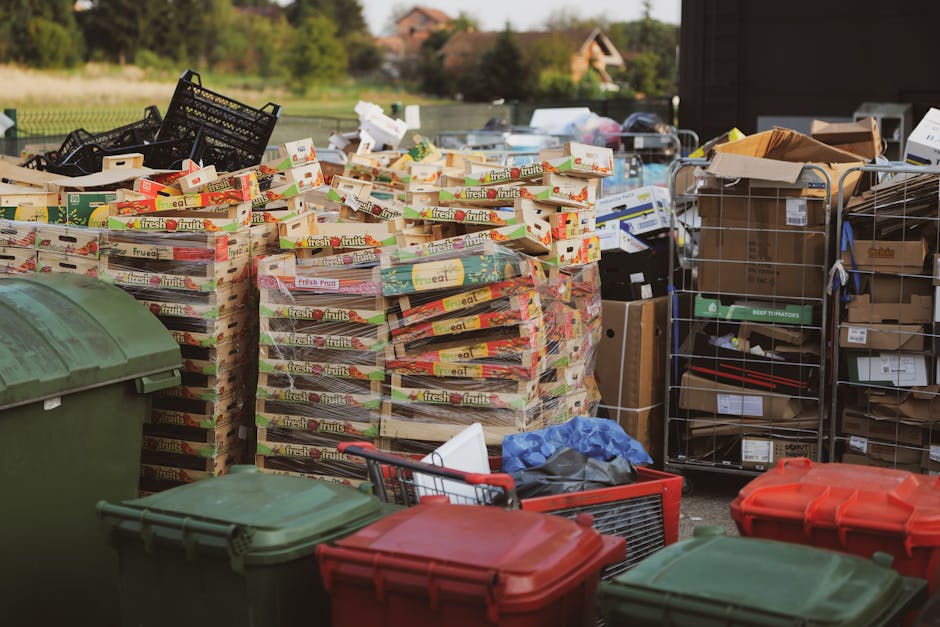
If you live in a Bayswater flat and need to clear a sofa, wardrobe, mattress, appliance, or a stack of mixed clutter, the process can feel oddly complicated. Narrow stairwells, lift bookings, neighbours who are always passing through, and the eternal question of where to put everything until collection day. That is exactly where Lancaster Gate bulky rubbish collection tips for Bayswater flats come in. The goal is simple: make the clearance safe, tidy, and fast without turning your hallway into a mini skip zone.
This guide walks through the practical side of bulky rubbish removal for flats in a way that actually helps. You will get planning advice, step-by-step collection tips, common mistakes to avoid, and a clear sense of when professional help makes more sense than doing it yourself. Let's face it, when you are dealing with bulky waste in a shared building, small details matter more than people expect.
- Why it matters
- How it works
- Key benefits
- Who needs this
- Step-by-step guidance
- Expert tips
- Common mistakes
- Tools and resources
- Law, compliance, and best practice
- Options and comparison
- Real-world example
- Practical checklist
- Conclusion
- Frequently asked questions
Why Lancaster Gate bulky rubbish collection tips for Bayswater flats Matters
Bulky waste in flats is not just about getting rid of old stuff. It is about protecting shared spaces, avoiding neighbour complaints, and making sure items leave the building without damage. In a flat, one awkward lift or scratched banister can create far more hassle than the item itself. That is why sensible planning is worth its weight in gold.
Bayswater and Lancaster Gate properties often have shared entrances, tight access, basement storage, and staircases that were never designed around modern furniture. A chair is fine. A dismantled wardrobe is fine. But a full-size three-seater sofa in one piece? That is where the trouble starts. If you can break the job down before collection day, everything gets easier.
There is also the reality of time. Most people do not want bulky rubbish sitting around for days, partly because it clutters the flat and partly because it starts to feel permanent. You know how it goes: "I'll deal with it at the weekend" becomes "I've been stepping around this mattress for two weeks." No judgement. It happens.
How Lancaster Gate bulky rubbish collection tips for Bayswater flats Works
At a basic level, bulky rubbish collection means arranging for large household items or awkward waste to be removed from your flat, often from the front door, lobby, or a pre-agreed access point. The process is much smoother when you sort the items in advance and think through access, loading order, and any special handling needs.
For Bayswater flats, the usual workflow looks like this:
- Identify the items. Separate furniture, appliances, general household clutter, and anything hazardous.
- Check access. Measure doorways, stairwells, lift size, and the route from the flat to the exit.
- Prepare the waste. Empty drawers, bag loose contents, and dismantle items where possible.
- Book the removal. Choose a service that matches the volume, item type, and access conditions.
- Set a clear collection point. Make sure the crew knows whether items will be collected from inside the flat, outside, or from a lobby.
In many flat clearances, the difference between a smooth collection and a stressful one is simply organisation. A well-prepared hall can shave off time and reduce the risk of knocking walls or blocking neighbours. That is especially true where access is shared and everyone is trying to get on with their day.
If your clearance is more than a couple of items, it can help to look at broader flat clearance support as part of the plan, rather than treating every bulky item as a one-off problem.
Key Benefits and Practical Advantages
A well-managed bulky rubbish collection is not just neater. It changes the whole experience of clearing a flat.
- Less stress on the day. You are not scrambling to move things at the last minute.
- Better safety. Heavy items handled in a calm, planned way are less likely to cause injuries or damage.
- Cleaner shared areas. Hallways, lifts, and entrances stay usable for everyone.
- Faster turnaround. The right prep can cut wasted time dramatically.
- Better recycling outcomes. Items can be sorted more effectively when they are separated properly.
There is another advantage people sometimes overlook: peace of mind. When you know the flat is being cleared responsibly, you are free to focus on the move, the refurb, or just getting your space back. That emotional lift is real. Honestly, it matters.
Expert summary: For Bayswater flats, bulky rubbish collection works best when access, sorting, and item size are dealt with before collection day. The job becomes safer, quicker, and usually cheaper to manage.
If you are also moving mixed household clutter, it may be worth reviewing home clearance options to see whether a more complete clearance would save you extra trips.
Who This Is For and When It Makes Sense
This type of collection is useful for a wide range of people. If you recognise yourself in any of the situations below, the advice here will probably save you time and a fair bit of frustration.
- Tenants moving out and leaving behind bulky furniture or broken items.
- Landlords needing a flat made ready between occupancies.
- Homeowners clearing old furniture after a redecorating project.
- Flat sharers with mixed items that nobody quite wants to claim.
- Residents with limited lift access or awkward stair routes.
- People clearing inherited flats where the contents have built up over years.
It makes sense when the items are too awkward for normal bin collection, too heavy to shift safely alone, or too many to leave on the street in a haphazard pile. If you are dealing with a mattress, sofa, fridge, or damaged wardrobe, the practical route is often to arrange a proper collection rather than improvising. Improvising sounds brave. It usually ends in sore backs and chipped paint.
For furniture specifically, you may find it helpful to look at furniture disposal guidance so you can separate reusable items from items that are ready for removal.
Step-by-Step Guidance
Here is the process we would recommend for a flat in Bayswater or around Lancaster Gate. It is straightforward, but doing it in the right order really does help.
1. Walk the route before you move anything
Check the route from the room to the exit. Look for tight corners, low ceilings, narrow doors, and stairs with awkward turns. If a wardrobe needs to be dismantled, do that before collection day rather than discovering it halfway down the stairs.
2. Group items by type
Keep furniture, appliances, and general bulky clutter separate. This helps with loading order and makes it easier to spot any items that need special handling. A fridge should not be bundled in with general waste, for example, and a broken mirror should be wrapped safely.
3. Remove loose contents
Empty drawers, cupboards, ottomans, and storage beds. A heavy-looking item can become unexpectedly awkward if it is still packed with books, clothes, or random bits of hardware. You will notice the difference immediately when you start lifting.
4. Protect shared areas
Use blankets, cardboard, or floor protection if needed. In a flat building, one scrape on a wall can become the story people repeat for months. Better to be cautious. A bit of protection goes a long way.
5. Label items clearly if needed
If several flats are involved, or if a landlord is organising the collection on behalf of tenants, label items so nobody argues over ownership later. That tiny step saves awkward conversations. And, yes, it really does happen.
6. Keep the access point clear
Make sure the corridor or lift area is free from prams, bikes, shopping trolleys, and everyday clutter. Shared access should stay usable while the collection takes place. If a loading bay or entrance needs special timing, confirm that early.
7. Confirm what is being removed
Before the crew arrives, double-check the item list. It sounds obvious, but people often forget a second mattress in a box room or an old desk in the corner. Missing items can lead to a second visit, which nobody really wants.
If you are planning a broader clearance rather than a one-item pickup, you may also want to consider furniture clearance services for larger loads of bulky household items.
Expert Tips for Better Results
These are the little things that make a real difference in flats. They are not flashy, but they work.
- Measure before you move. A quick measurement of the sofa, doorframe, and corridor can prevent a lot of guesswork.
- Disassemble first, not later. Beds, shelving, and wardrobes usually move more safely in smaller parts.
- Use bags for loose waste. Screws, wires, and small broken items are easier to manage in sealed bags or boxes.
- Keep fragile materials wrapped. Glass, ceramic, and sharp edges should be boxed or taped.
- Plan for the lift being out of service. Buildings do not always behave on schedule. Oddly enough.
- Schedule around quiet hours. Early mornings can be better if you want to avoid traffic in the hallway.
One practical habit we always recommend is setting the items out in collection order. The heaviest piece first, then the awkward items, then loose waste. That way, the crew can work in a clean line, and you are not constantly moving things twice.
For bulky bedroom items like divan bases or old sofas, the specific handling route may be easier if you review mattress and sofa disposal before booking.
Common Mistakes to Avoid
Most collection problems are avoidable. The annoying part is that the mistakes are usually very ordinary.
- Leaving everything until the last minute. That is how stairwells get blocked and people get flustered.
- Forgetting about access width. A sofa that fits in the room may still not fit through the hallway.
- Mixing restricted items with general waste. Some items need separate handling, especially electrical or hazardous materials.
- Assuming the building can handle it. Shared spaces are not always suitable for staging bulky rubbish.
- Overestimating what one person can safely lift. Strong backs are useful. Gravity is stronger.
- Not checking what is reusable or recyclable. Good sorting can reduce waste and avoid unnecessary disposal.
A particularly common issue in flats is the "we'll just leave it in the corridor" approach. To be fair, it feels convenient in the moment. But it creates fire safety concerns, blocks access, and often annoys neighbours. Not a good trade-off.
If you are unsure whether a particular item belongs with general rubbish, it can help to look at the guidance on what can go in a skip. While that page is skip-focused, the item rules are still a useful reference point for sorting.
Tools, Resources and Recommendations
You do not need a van-load of equipment, but a few simple tools make the work smoother.
| Tool or item | Why it helps | Best use in a flat |
|---|---|---|
| Measuring tape | Confirms whether large items will fit through doors and stair turns | Before dismantling furniture |
| Strong gloves | Protects hands from splinters, staples, and rough edges | During sorting and moving |
| Heavy-duty bags | Keeps loose waste contained and easier to carry | General clutter, fabric, small parts |
| Marker labels | Makes item ownership and grouping clear | Shared flats or landlord clearances |
| Protective blankets/cardboard | Helps prevent damage to walls, floors, and doors | Tight or high-traffic access routes |
On the service side, the most useful resources are the ones that help you match the job to the right kind of collection. If your flat has a mix of furniture, appliances, and general rubbish, a broader waste removal service may be a better fit than trying to split the work across several smaller trips.
For pricing questions, it is sensible to review pricing and quotes before booking so you can compare options without guesswork. You do not need a spreadsheet unless you enjoy that kind of thing, in which case fair enough.
Law, Compliance, Standards, or Best Practice
Bulky rubbish collection in flats sits inside a few common-sense UK duties and best practices. You do not need to become a legal expert, but you do need to avoid careless disposal and unsafe storage.
First, do not leave bulky items in shared corridors, entrances, or stairwells unless the building rules and the collection arrangement clearly allow it. Shared areas should remain clear for access, safety, and general building use. Second, keep hazardous items separate. Paints, chemicals, and certain electrical or contaminated items should not be treated like ordinary household rubbish.
Third, check how your building manages access, lift use, and waste staging. Many blocks have their own rules, and a polite heads-up to management or concierge can save a headache later. That is just good practice. No drama needed.
Where electrical items are involved, special handling may be needed. If you are disposing of fridges or similar appliances, it is worth reading the guidance on fridge and appliance removal before putting them into a mixed load.
For items that may contain confidential material, such as filing cabinets or paper archives, a service like confidential shredding can help keep information secure before disposal.
Finally, a responsible operator should be able to explain how waste is handled, insured, and managed safely. If you are comparing providers, look for clear information about insurance and safety and the company's approach to risk.
Options, Methods, or Comparison Table
There is more than one way to clear bulky rubbish from a flat. The right method depends on volume, access, timing, and how much effort you want to take on yourself.
| Method | Best for | Pros | Possible downsides |
|---|---|---|---|
| Self-moving to a collection point | Very small loads and easy access | Can be cheaper and quick | Manual labour, risk of damage, awkward in flats |
| Scheduled bulky waste collection | Single items or manageable household loads | Simple and convenient | Timing may be less flexible, access needs planning |
| Full flat clearance | Move-outs, refurbishments, inherited flats | Efficient for larger jobs, less hassle overall | Requires more planning and clearer item separation |
| Furniture-specific removal | Sofas, wardrobes, tables, beds | Good for bulky household pieces | May need separate handling for mixed waste |
For most Bayswater flats, the best option is usually whichever reduces carrying, protects the building, and keeps the process tidy. That is why furniture clearance often works well for room-by-room projects, while house clearance or home clearance can suit larger or more mixed jobs.
Case Study or Real-World Example
Picture a typical Bayswater flat on a Friday morning. Two old wardrobes, a mattress, a broken office chair, and a small pile of cardboard are all waiting near the spare room. The lift is narrow, the hallway is shared, and there is a delivery booked for the afternoon. Not ideal, but manageable.
The resident measures the wardrobe doors and realises one unit will not fit down the corridor intact. So it is dismantled the night before. Screws are bagged and taped to the side panel. The mattress is kept upright against a wall, away from the entrance. Cardboard is flattened and bundled. The hallway stays clear except for the items that need collecting, and the building manager is told the approximate collection window.
On the day, everything moves quickly. The crew does not need to stop and re-sort. No one is hunting for missing fixings. Nobody is awkwardly shuffling a sofa around a corner while apologising to three neighbours. The whole thing is over before lunch. That is the difference a bit of planning makes. Pretty boring, maybe, but beautifully boring.
If the job had included more mixed household clutter, the resident could have expanded the plan using loft clearance or broader clearance support instead of treating every item separately.
Practical Checklist
Use this checklist before collection day. It keeps the whole process grounded.
- Identify every bulky item you want removed.
- Check whether any item needs dismantling.
- Measure doors, hallways, stairs, and lift access.
- Remove loose contents from drawers, cupboards, and storage furniture.
- Separate reusable, recyclable, and general waste items.
- Keep hazardous or restricted items apart.
- Protect floors, walls, and door frames if access is tight.
- Tell building management or concierge if needed.
- Confirm the collection point and time window.
- Keep shared spaces clear for neighbours.
- Double-check the final item list before the crew arrives.
A simple checklist can save you from a lot of chasing around later. It sounds small. It really isn't.
Get a free quote today and see how much you can save.
Conclusion
Lancaster Gate bulky rubbish collection tips for Bayswater flats are mostly about preparation, respect for shared spaces, and choosing the right kind of removal for the job. Once you think through access, sorting, and item type, the whole process becomes much less stressful. You do not need perfect conditions. You just need a bit of order and a plan that suits flat living.
Whether you are clearing one sofa or a full set of unwanted furniture, the best results come from calm decisions made before collection day. That is the simple truth. And when the flat is finally clear again, the extra space feels better than you expect - lighter, quieter, easier to live in.
When you are ready, take the next step with confidence. A well-planned bulky rubbish collection can turn a messy weekend into a proper reset.
Frequently Asked Questions
What counts as bulky rubbish in a Bayswater flat?
Bulky rubbish usually includes large household items such as sofas, beds, mattresses, wardrobes, tables, chairs, appliances, and awkward clutter that does not fit normal household bins. In flats, the access route matters just as much as the item itself.
How do I prepare a flat for bulky rubbish collection?
Start by measuring access, emptying furniture, separating item types, and clearing hallways. If possible, dismantle larger pieces before the collection date. That small bit of preparation often saves the most time.
Can bulky rubbish be left in the corridor before collection?
Usually not for long, and often not at all unless the building has agreed to it. Shared corridors should stay clear for safety and access. It is better to keep items inside the flat or in the agreed collection area.
What if my sofa or wardrobe will not fit through the door?
Dismantling is usually the answer. Remove legs, doors, shelves, and any loose fittings. If it still will not fit, you may need a specialist removal plan or a clearance service with the right equipment.
Do I need to separate furniture from other waste?
Yes, where possible. Furniture, appliances, cardboard, and general clutter should be grouped separately so the collection can be handled safely and efficiently. It also helps with recycling and reduces confusion on the day.
What should I do with fridges or other appliances?
Appliances should be handled carefully and separately from ordinary household waste. Fridges, freezers, and similar items often need special removal due to their weight and component parts, so check appliance-specific handling before booking.
Is bulky rubbish collection suitable for end-of-tenancy cleanups?
Yes, very much so. End-of-tenancy clearances often involve furniture, broken items, and mixed clutter that need to be removed quickly. A flat-focused collection can be a good fit when access is tight and time is short.
How can I avoid damaging the building during removal?
Protect walls and floors, measure items properly, and avoid forcing large objects through narrow spaces. If the route is awkward, slow down and plan the movement rather than trying to rush it. Rushed removals are where damage tends to happen.
What if some of the items are still usable?
If items are in reusable condition, consider separating them from true waste so they can be dealt with appropriately. Even if you are not donating items, sorting reusable furniture away from damaged waste makes the collection cleaner and more efficient.
How do I know whether I need furniture clearance or full flat clearance?
If you only have a few large items, furniture clearance may be enough. If the flat has multiple rooms of mixed contents, a broader flat clearance or home clearance is usually more practical. The right choice depends on how much there is and how much of it needs moving.
What are the biggest mistakes people make with bulky rubbish in flats?
The most common mistakes are leaving preparation too late, forgetting access issues, mixing unsuitable items together, and blocking shared spaces. A little planning prevents most of the pain. Honestly, that is the whole game.
How do I get the best value from a bulky rubbish collection?
Group items carefully, remove loose contents, dismantle what you can, and choose the right type of clearance for the job. Comparing pricing and quotes before booking also helps you avoid paying for a service that is either too small or larger than you need.
Can I arrange a collection if I live on an upper floor with no lift?
Yes, but access planning becomes even more important. Measure the stair route, keep items as light and compact as possible, and be realistic about what can be moved safely. Upper-floor flats often benefit from a more organised removal plan.